

[NFN전국축제뉴스 유명진 기자]
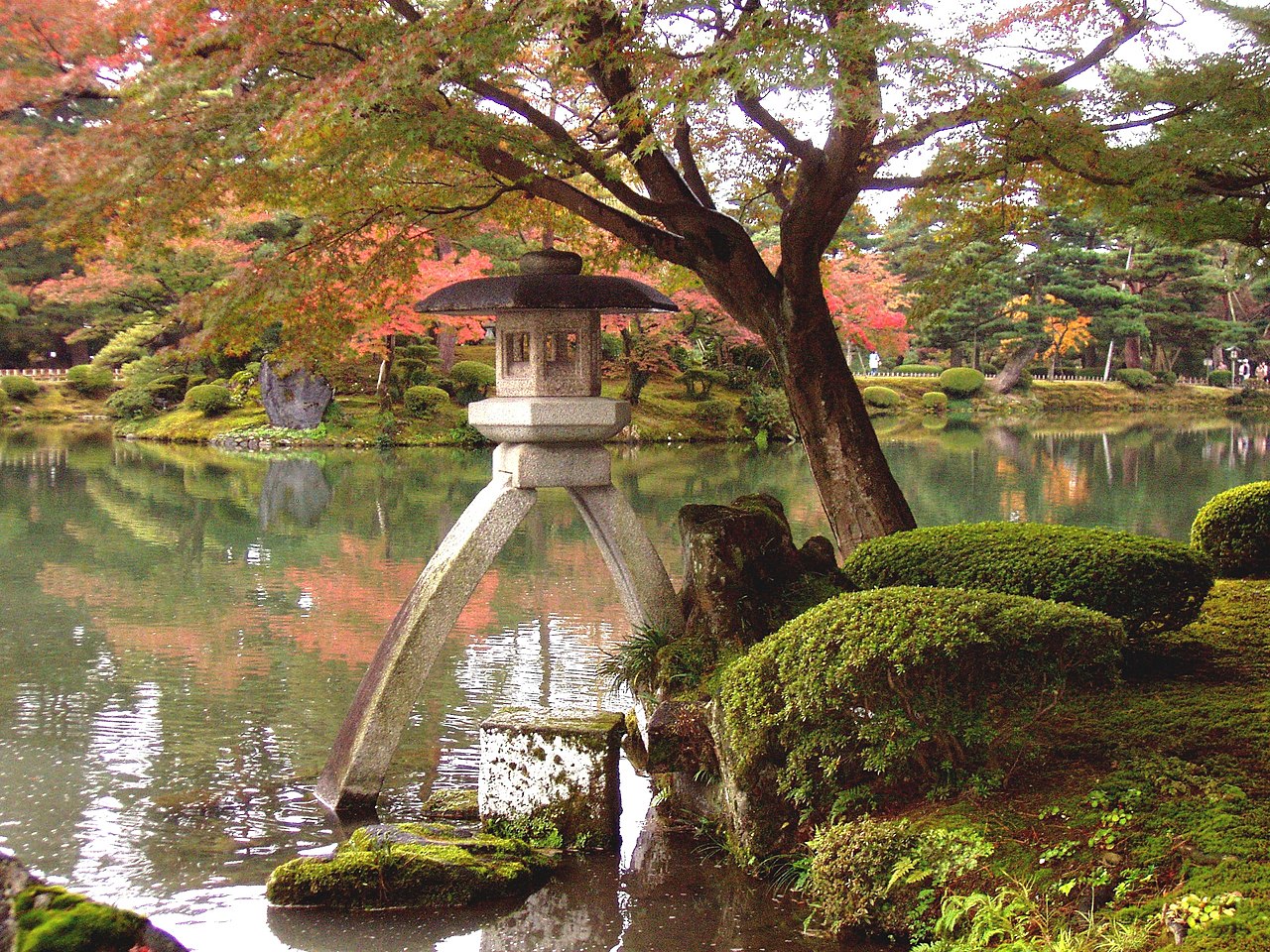
가이라쿠엔, 고라쿠엔과 더불어 겐로쿠엔은 일본 3대 정원의 하나이다. 정원은 연중 낮 시간에 개방되고 계절마다 아름다운 정취를 가진 것으로 유명하다.
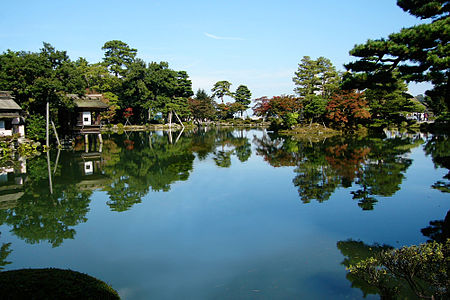
정원은 원래 가나자와 성 바깥에 위치했으며 면적은 114,436.65 m²이다. 5대 번주 마에다 쓰나노리가 렌치 정(蓮池亭)을 만들고 그 뜰을 렌치 뜰(蓮池庭)로 부르면서 만들어지기 시작했다. 그러나 이 정원은 1759년에 화재로 파괴되었다. 1774년에 11대 번주 마에다 하루나가에 의해 재건되기 시작했고 미도리 폭포(翠滝), 다실(茶室)인 유가오 정(夕顔亭)이 만들어졌다. 정원의 발전은 계속되어 1822년에 12대 번주 마에다 나리나가에 의해 다쓰미 수로로부터 물을 끌어와 정원의 구불구불한 개울이 만들어졌다. 이후 13대 번주 마에다 나리야스는 더 많은 개울을 만들고 가스미 연못을 확장하였다. 이로써 현재 형태의 겐로쿠엔이 완성되었다. 정원은 1874년 5월 7일에 대중에게 개방되었다.
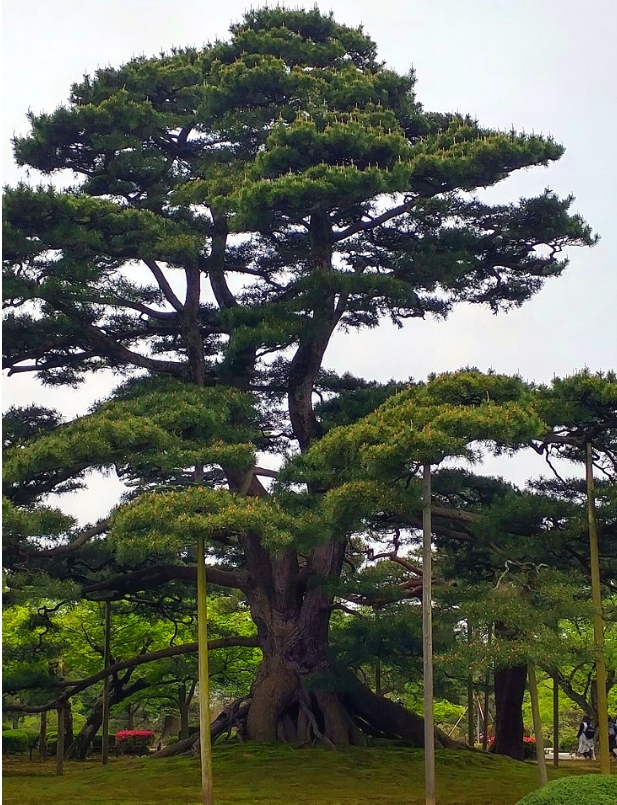
정원의 이름은 마에다 나리야스 때 마쓰다이라 사다노부에 의해 명명된 것이다. 겐로쿠엔이라는 명칭은 송대의 시인 이격비(李格非)의 낙양명원기(洛陽名園記)에서 유래한 것으로 광대함, 고요함, 기교, 고색창연함, 수로, 조망이라는 6가지 정원의 조건을 두루 갖추었다는 뜻이다.
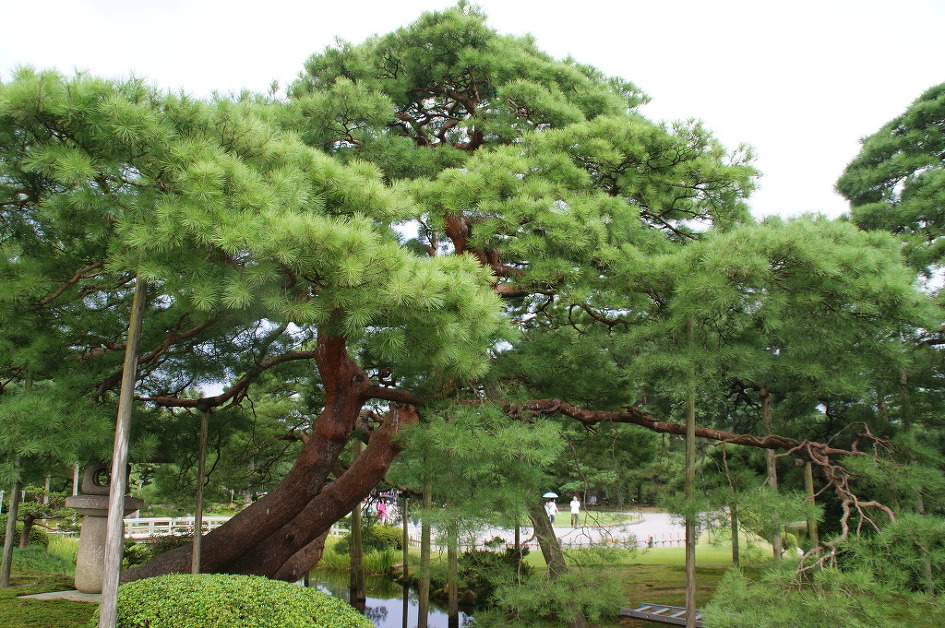
겐로쿠엔에는 약 8,750그루의 나무와 183종이 식물이 서식하고 있다. 정원에서 특별히 눈여겨보아야 할 것은 다음과 같다.
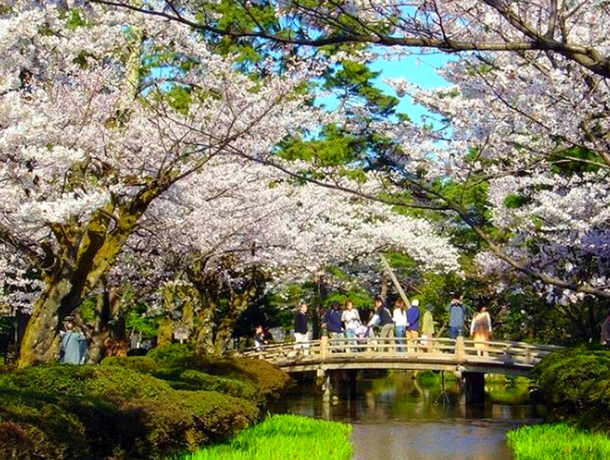
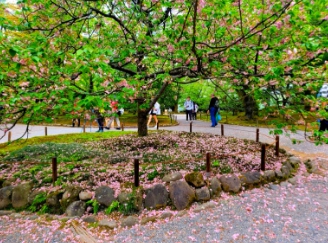
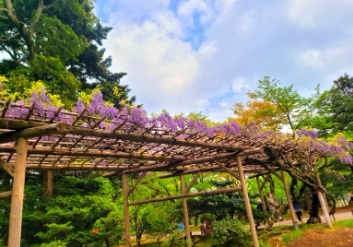
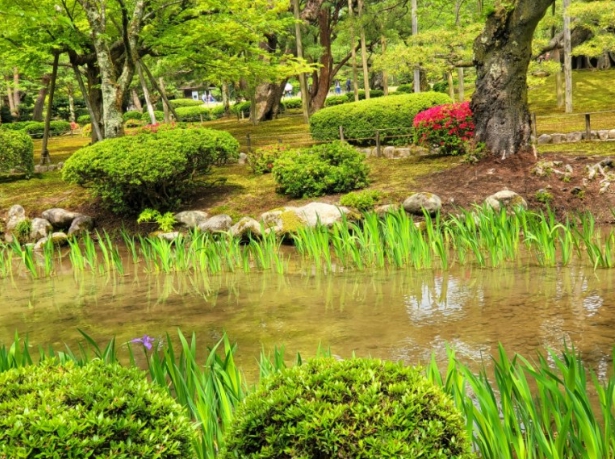
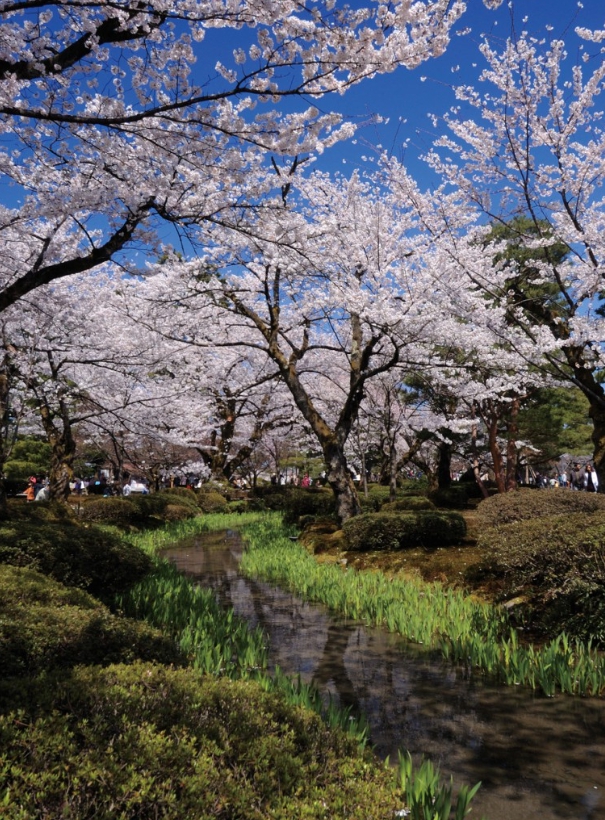
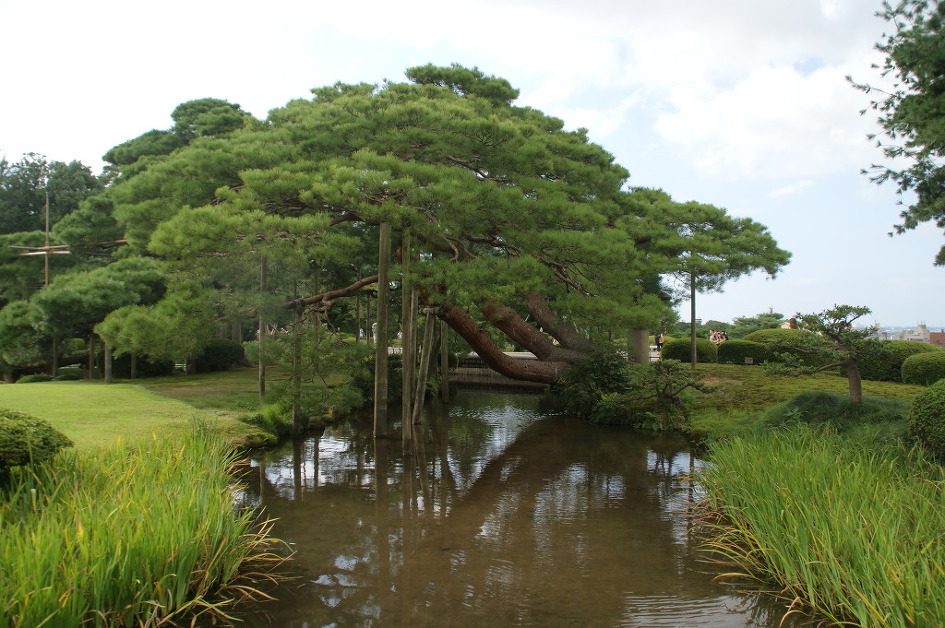
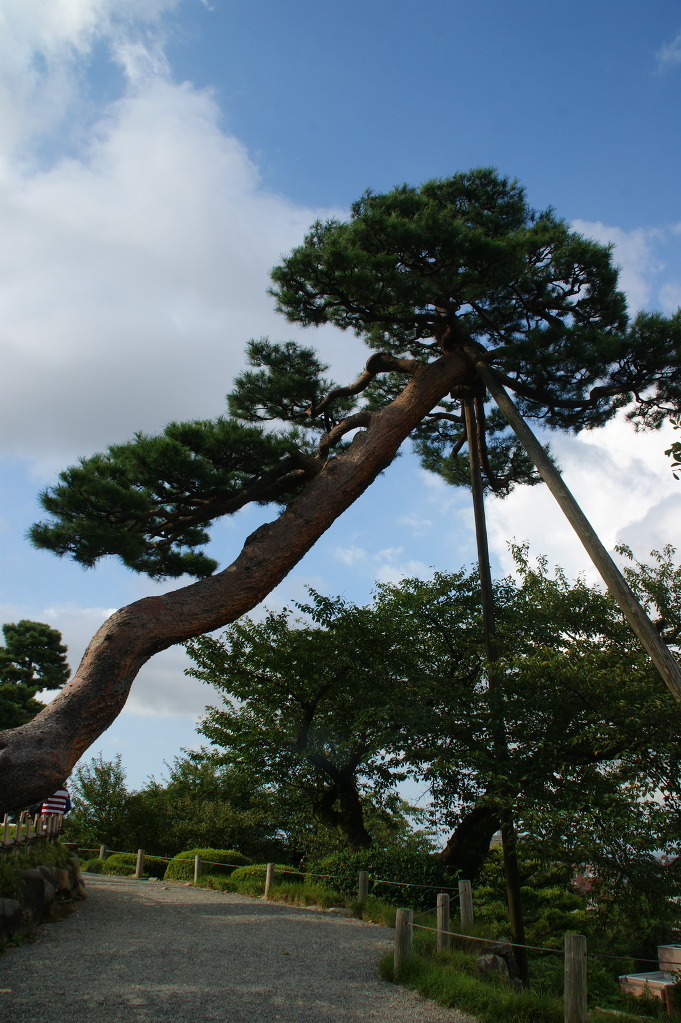
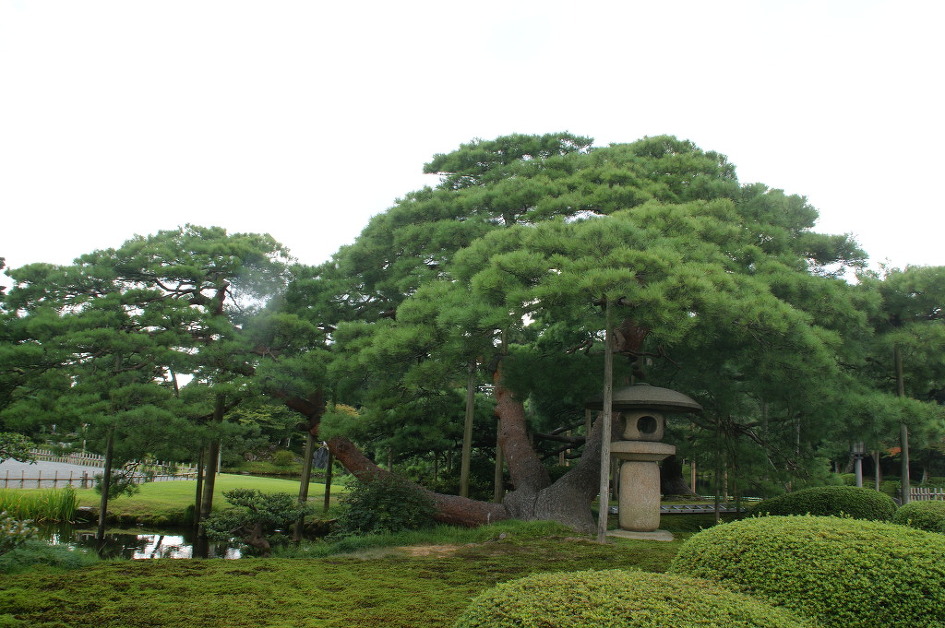
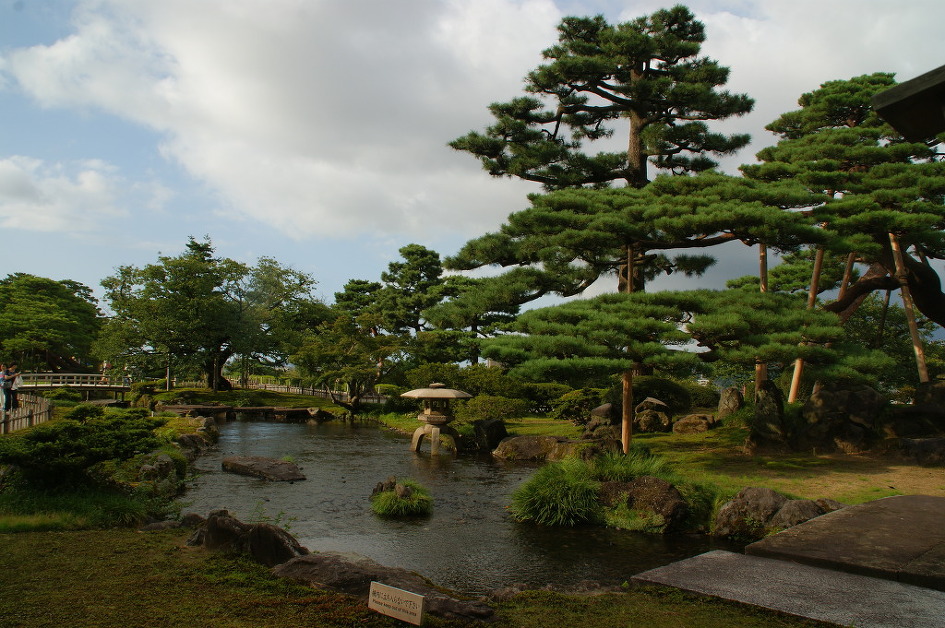
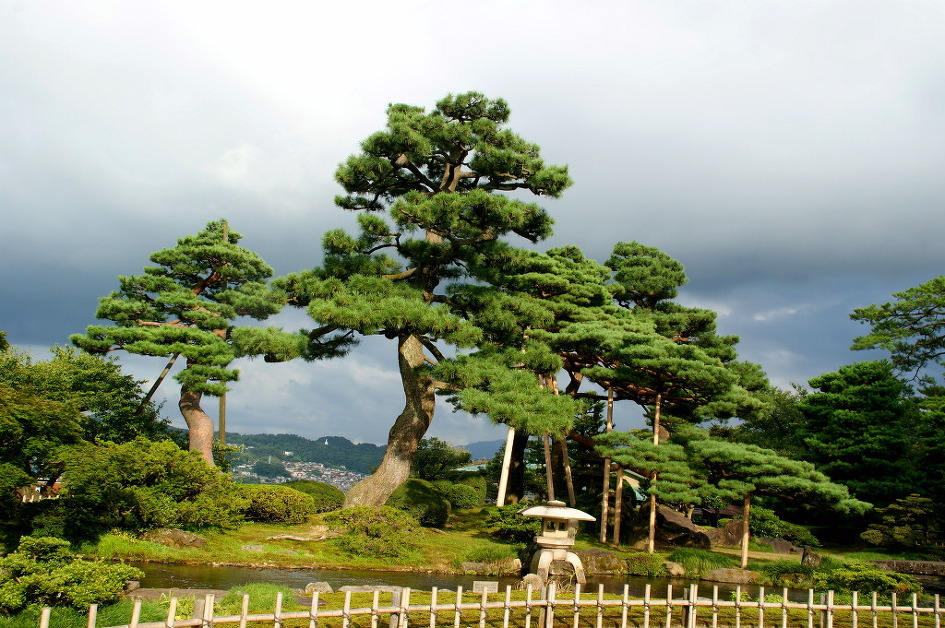
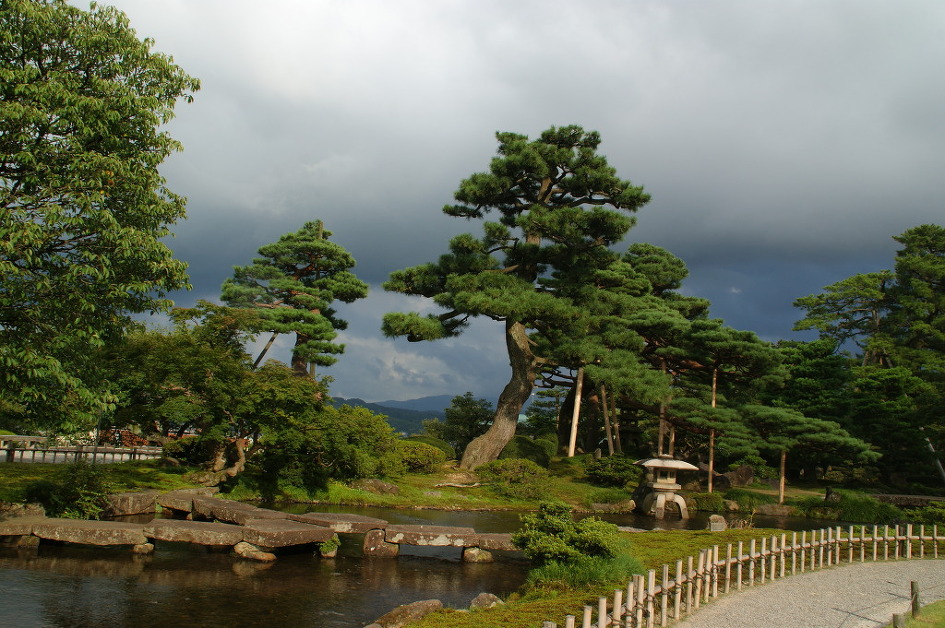
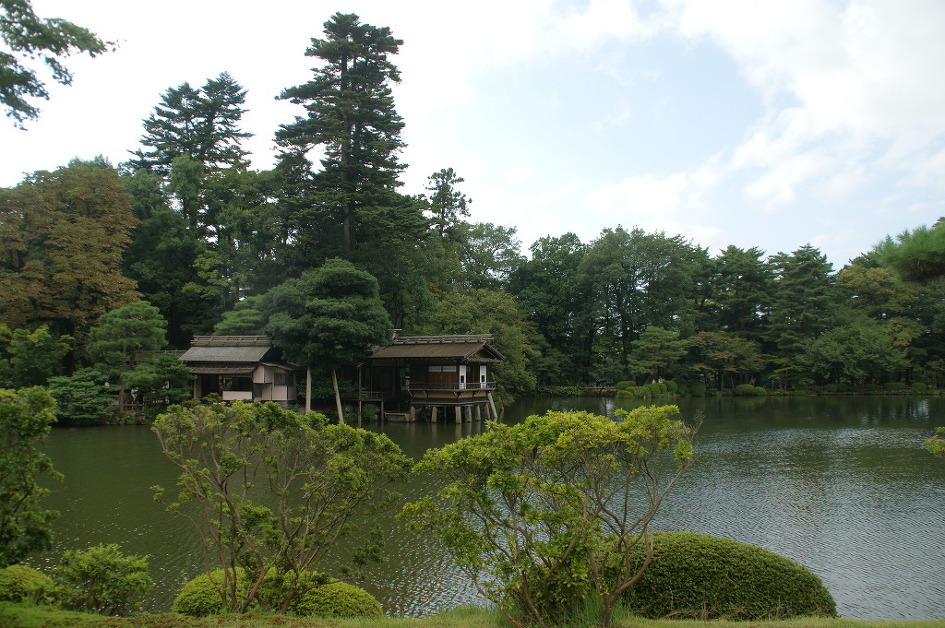
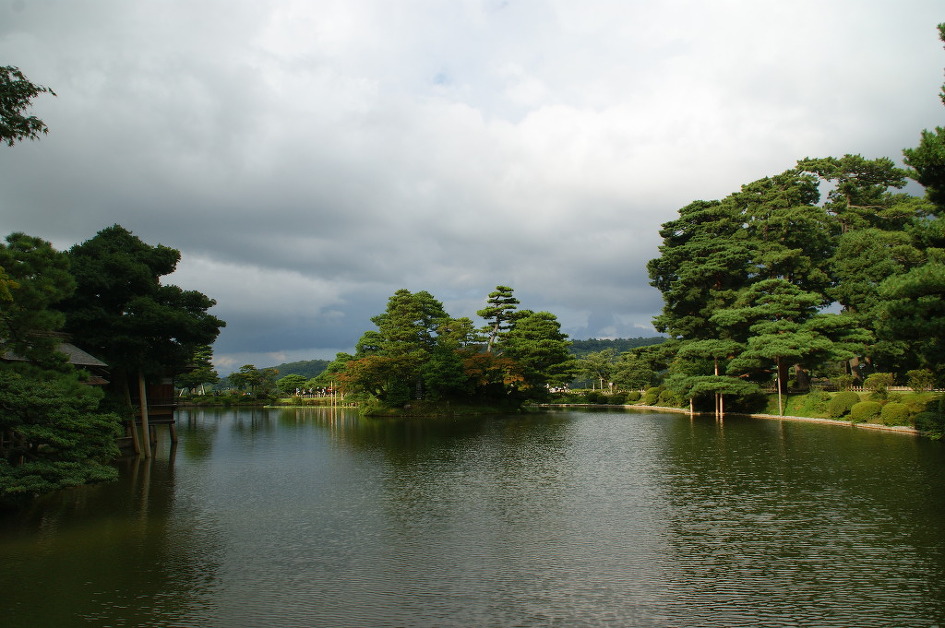
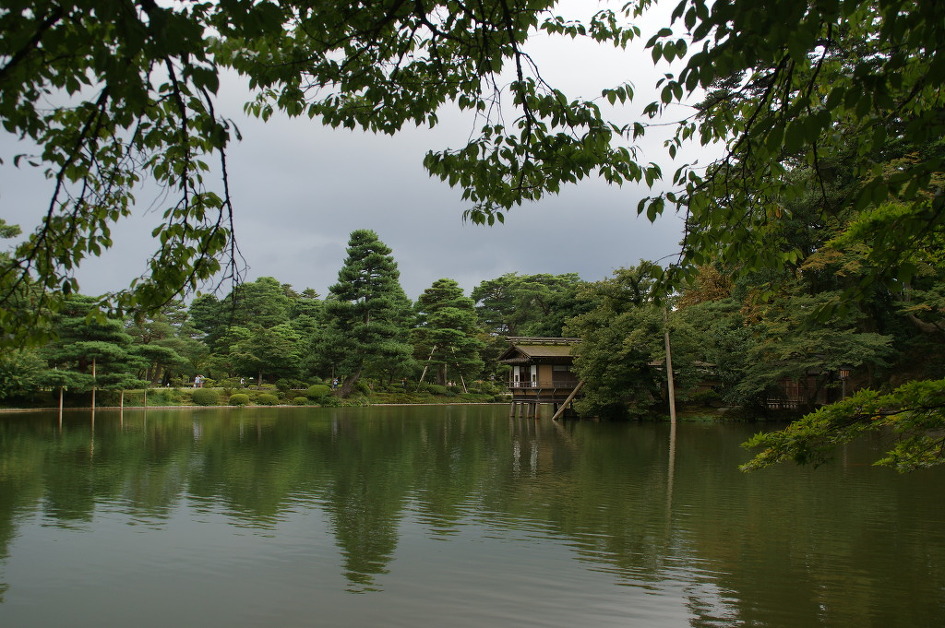
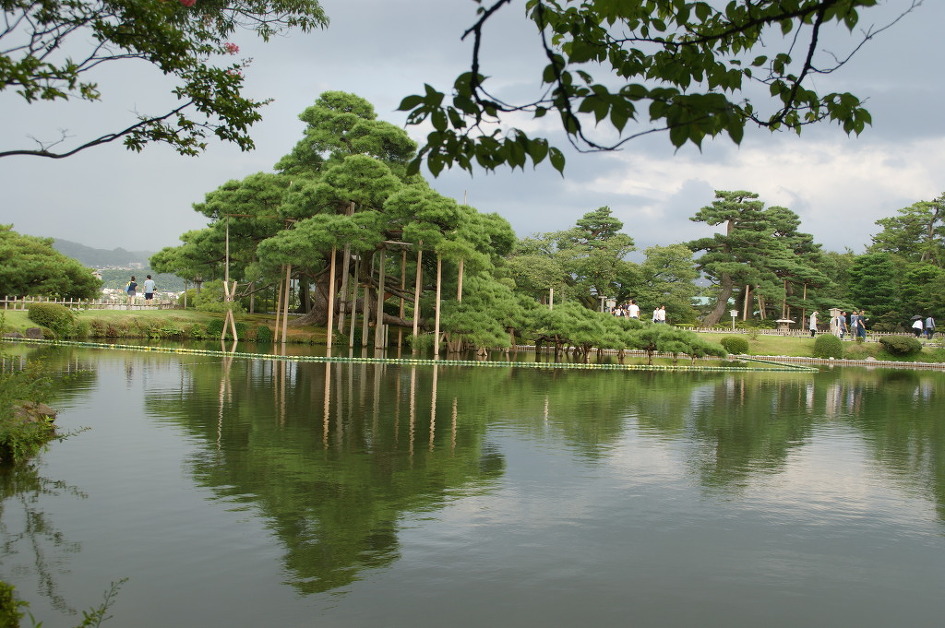
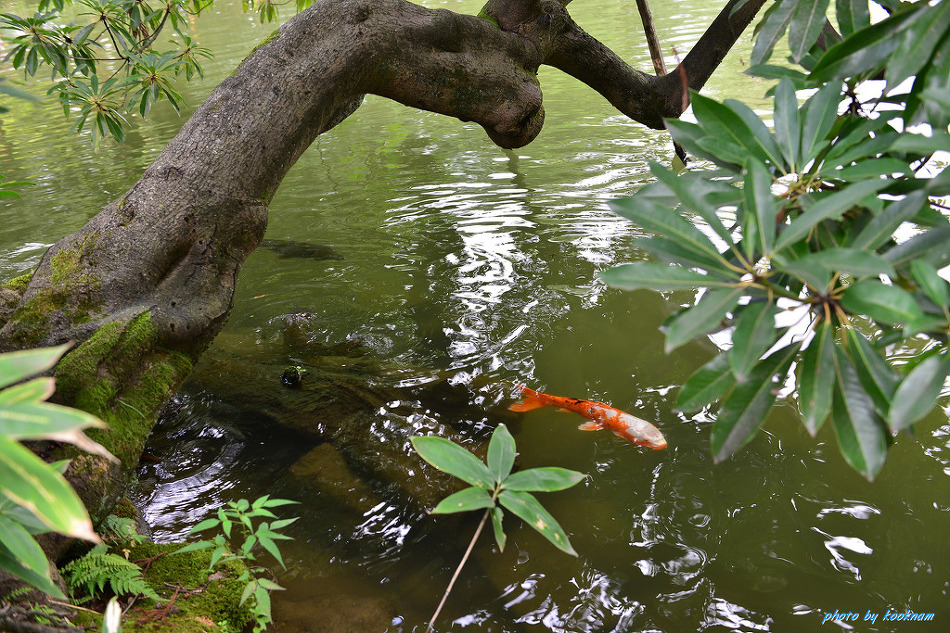
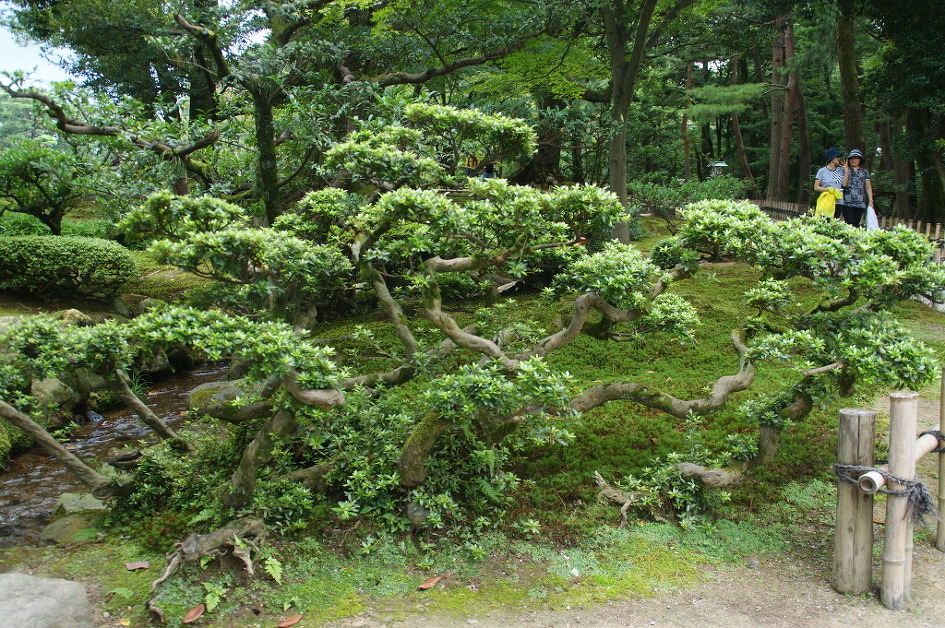
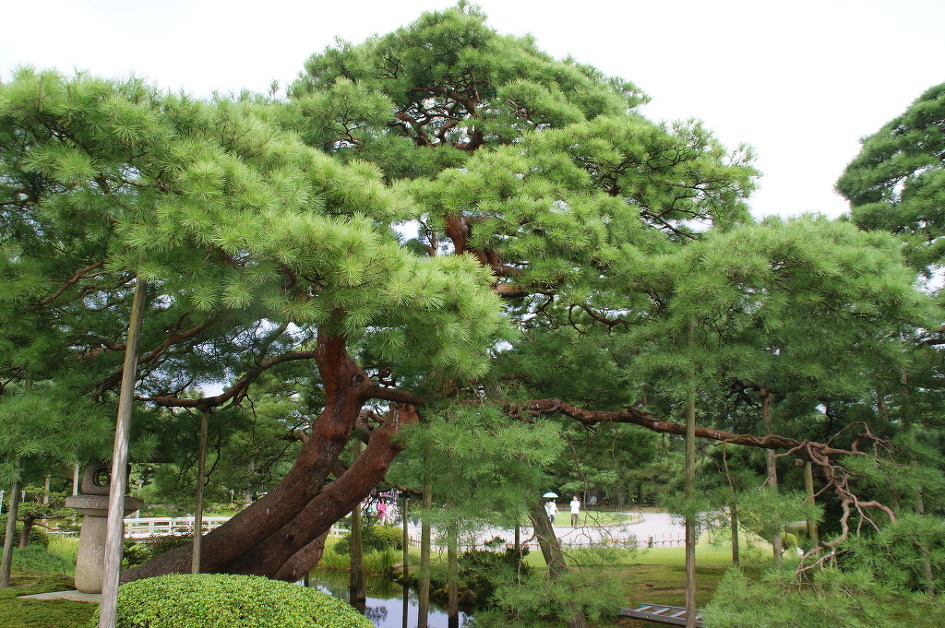
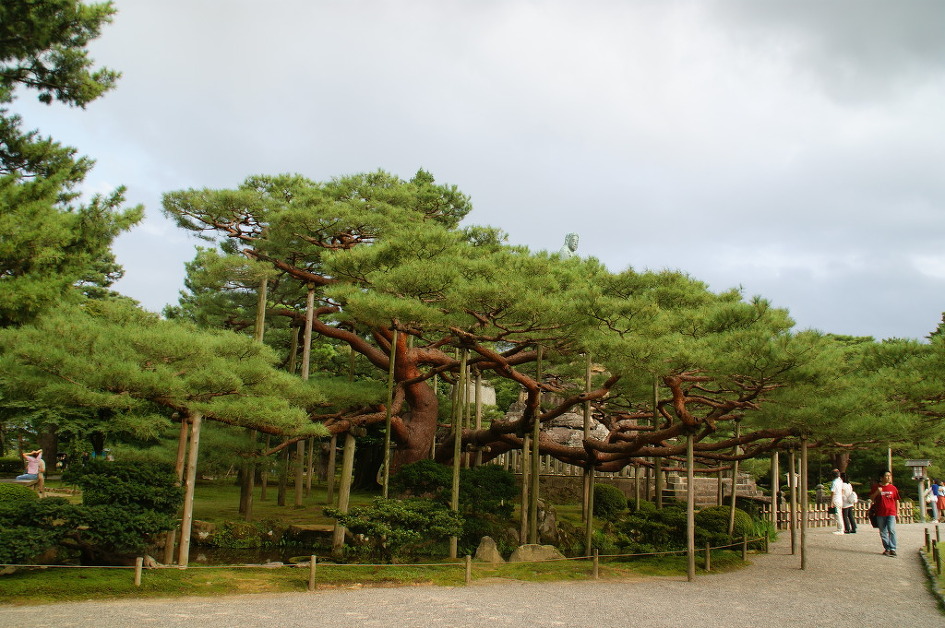
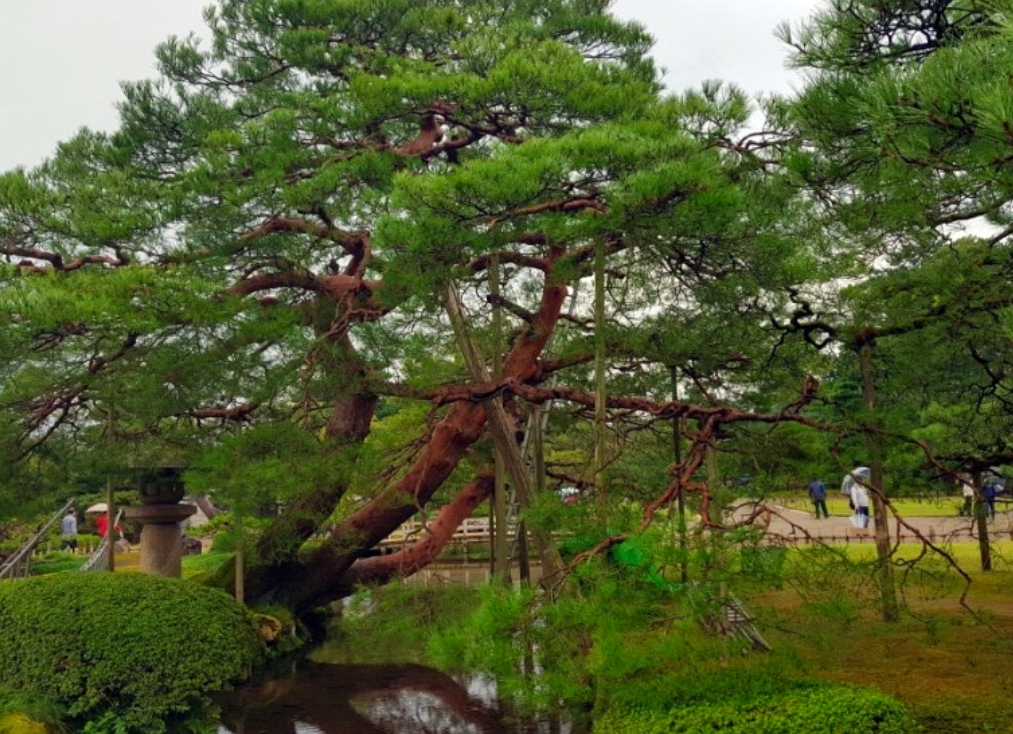
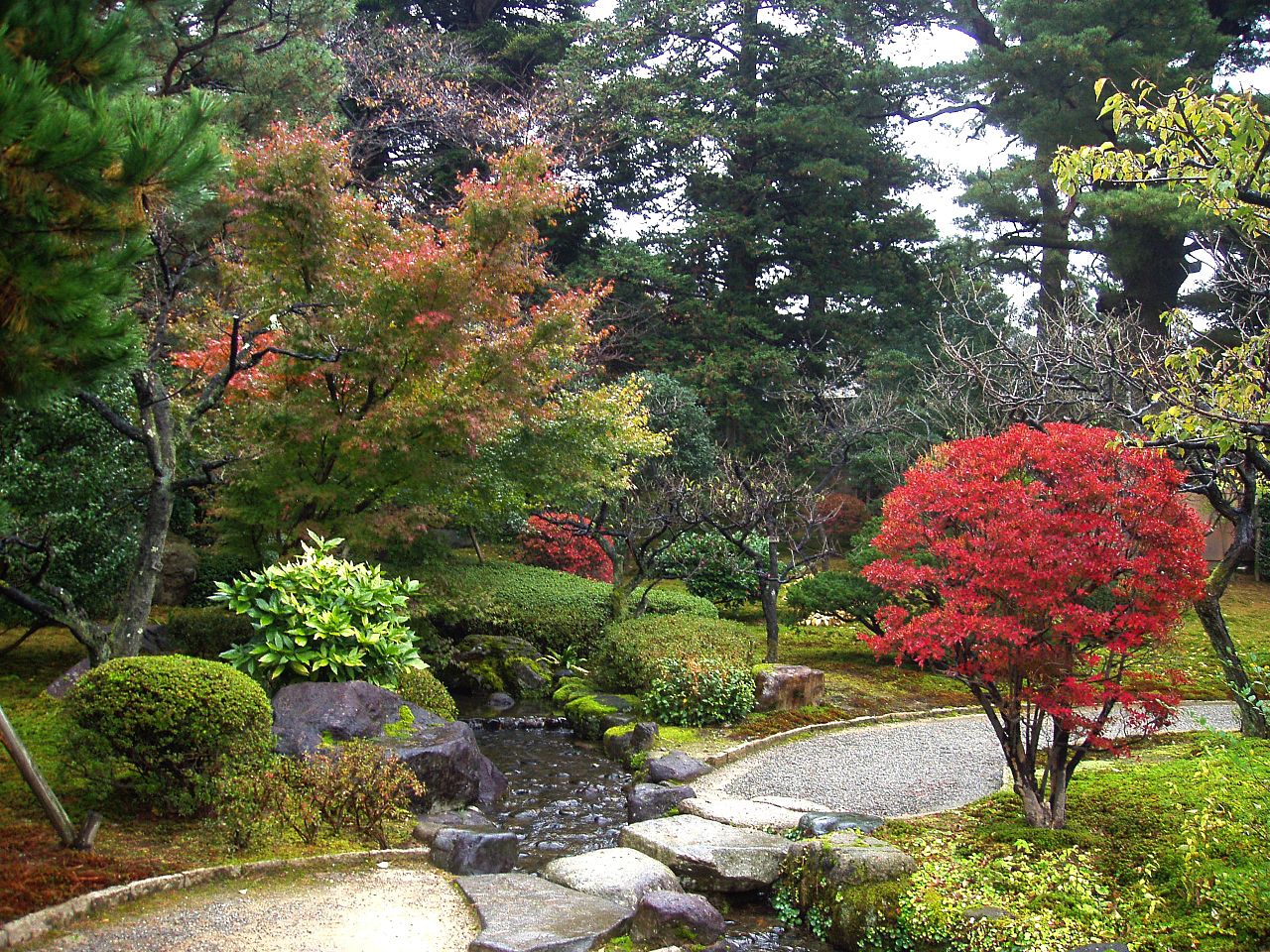
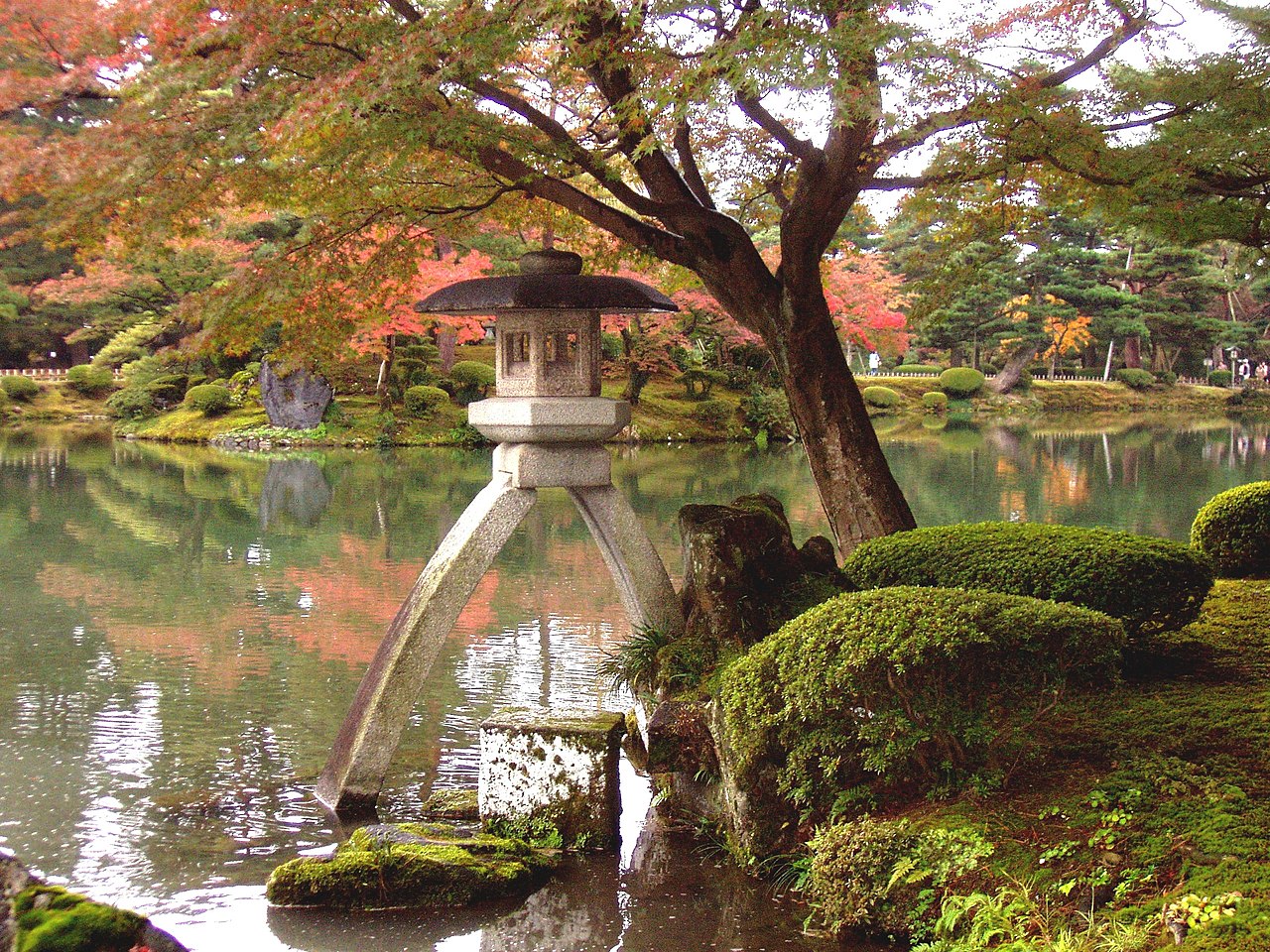
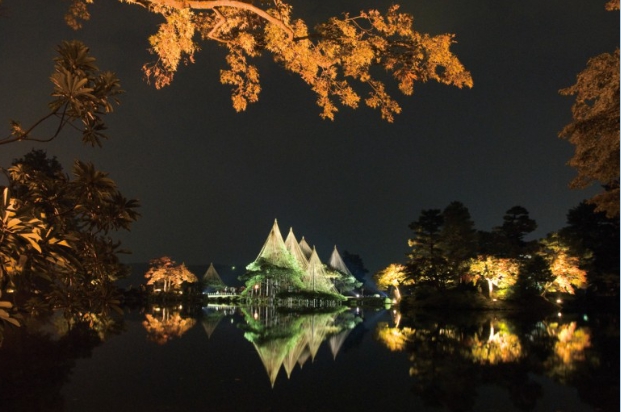
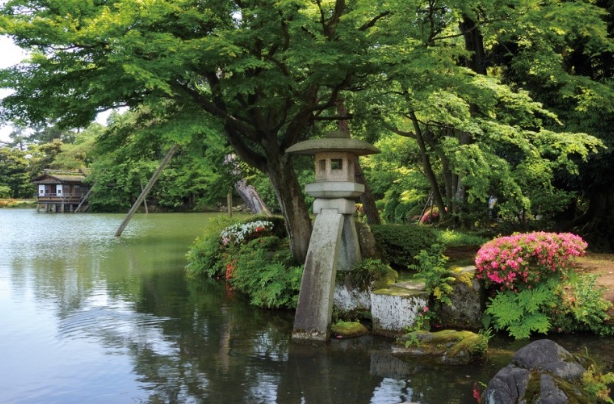
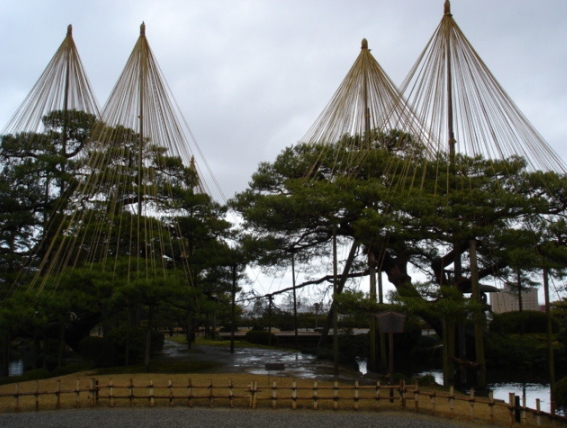
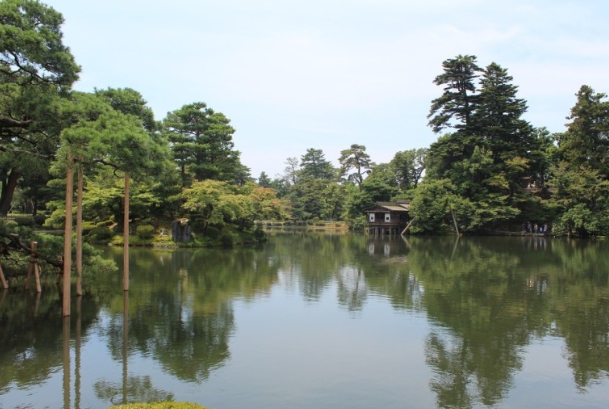
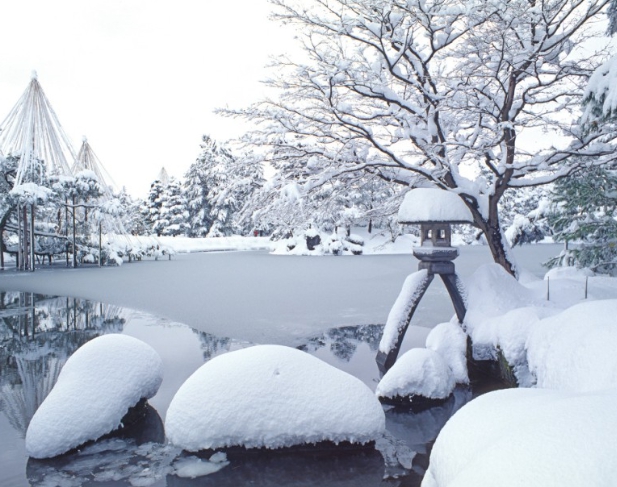
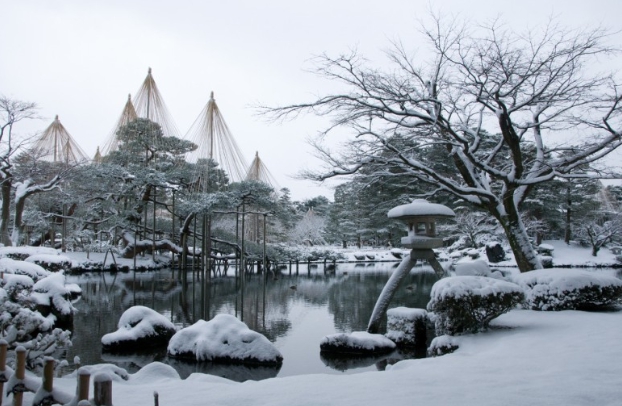
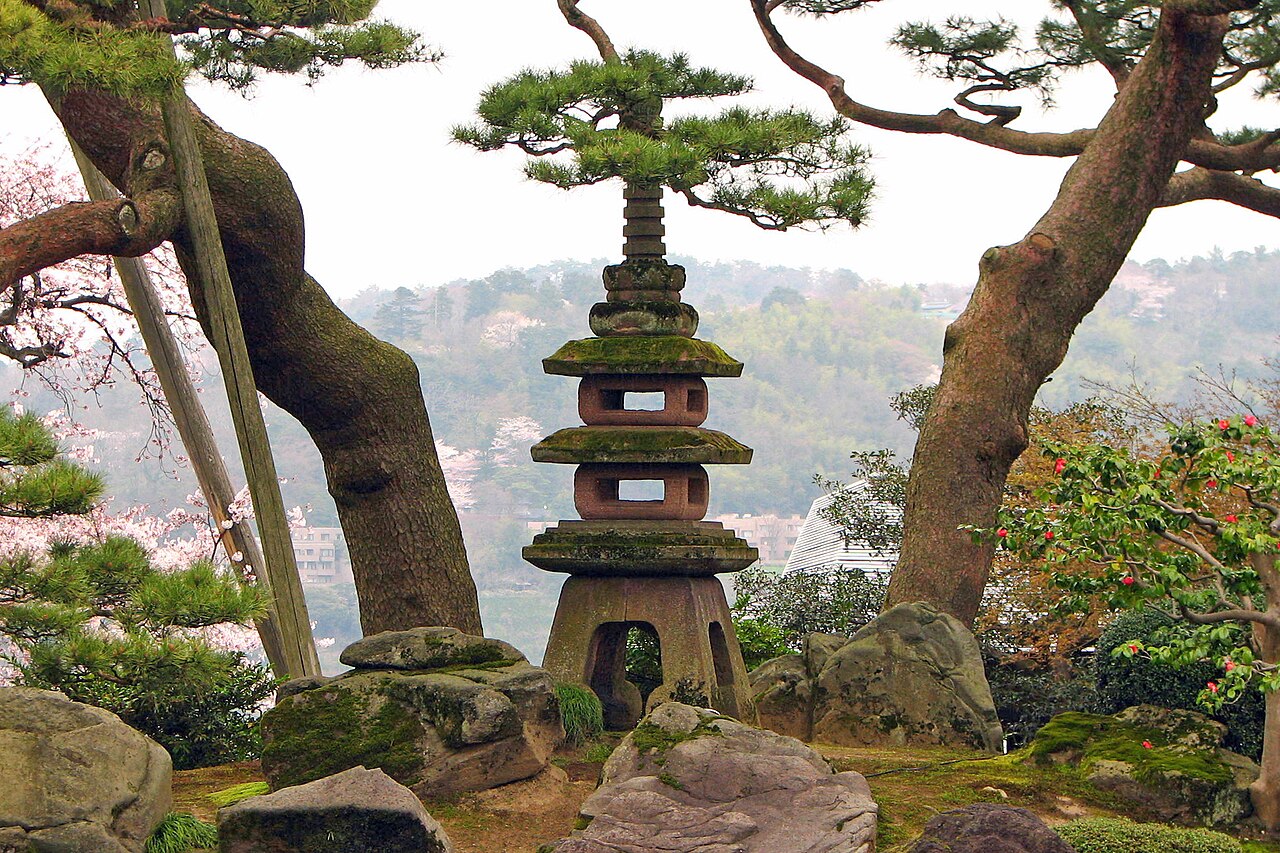
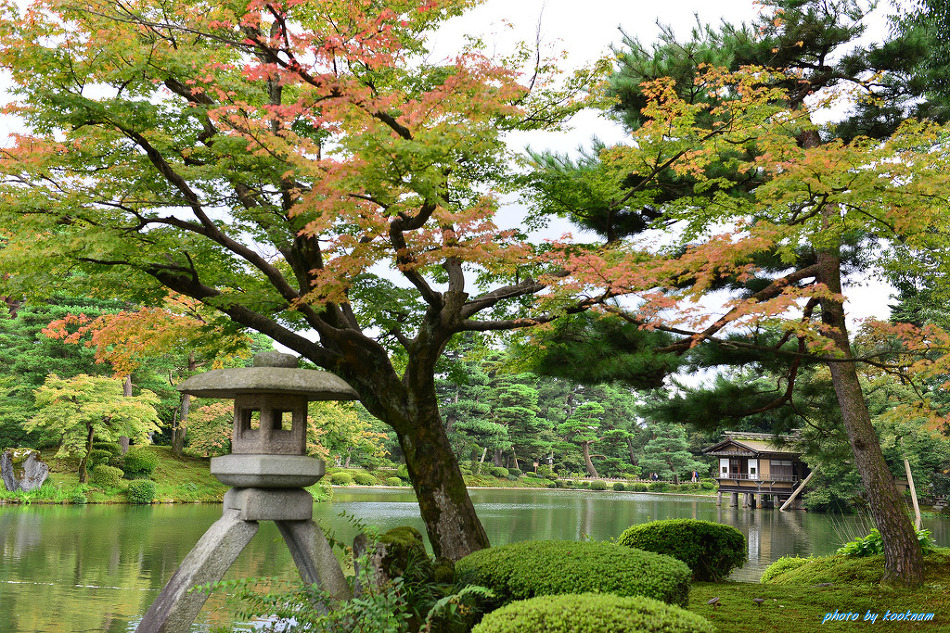
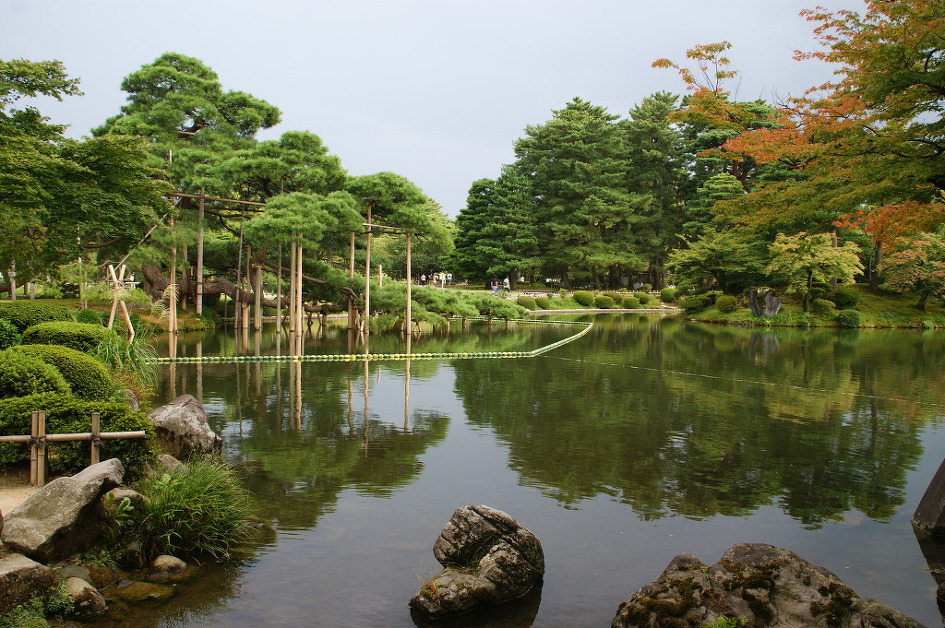
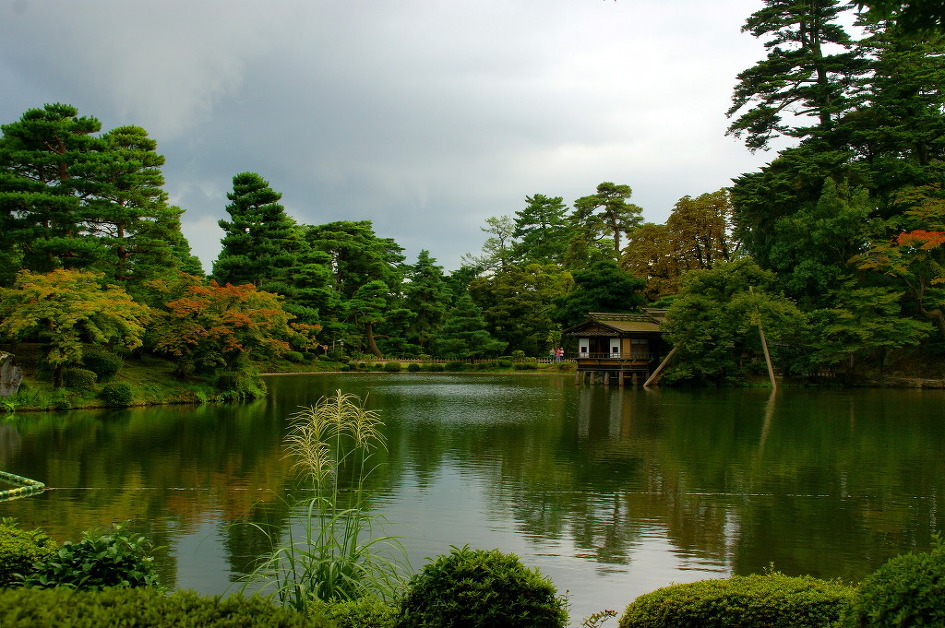
Kenroku-en (Japanese: 兼六園, Garden of Six Attributes), located in Kanazawa, Ishikawa, Japan, is a strolling style garden constructed during the Edo period by the Maeda clan. Along with Kairaku-en and Kōraku-en, Kenroku-en is considered one of the Three Great Gardens of Japan and is noted for its beauty across all seasons, particularly in winter. Spread over nearly 25 acres, features of the landscape include meandering paths, a large pond, several tea houses, and one of Japan's oldest fountains. First opening to the public in 1871, the garden was later designated a National Site of Scenic Beauty in 1922, and subsequently received status as a National Site of Special Scenic Beauty in 1985. The grounds are open through paid admission year-round during daylight hours.
Kenroku-en was developed from the 1620s to the 1840s by the Maeda clan, the daimyōs (feudal lords) who ruled the former Kaga Domain.
While the date of initial development of the garden that would become known as Kenrokuen is rather unclear, one version of the garden's origins can perhaps be marked by the completion of the Tatsumi water channel in 1632 by Maeda Toshitsune,[5] the third daimyō of the powerful Maeda clan and ruler of the Kaga Domain from 1605 to 1639, as this feature would be later incorporated into creating the garden's twisting waterways in 1822.[6]
Conversely, in other versions of the garden's inception, it is said to have originated when the 5th daimyō Tsunanori [r. 1645–1723] built in 1676 the Renchiochin house on the slope facing Kanazawa Castle, and gave its garden the name Renchitei (蓮池庭, lotus pond),[7] also spelled Renchi-tei. The garden is located outside the gates of Kanazawa Castle where it originally formed the outer garden, and covers 114,436.65 m2 (over 25 acres). It began in 1676 when the 5th daimyō Maeda Tsunanori moved his administration to the castle and began to landscape a garden in this vicinity. This garden was, however, destroyed by the fire in 1759.
Not much is known about Renchitei in the years after it was named, principally as about eighty years after its creation, nearly the entire garden was destroyed by a massive fire in 1759. However, it is known from documents of the period that before the fire, the garden was often used and enjoyed by successive lords and retainers for "different banquet occasions such as viewing the moon ... enjoying colorful maples",[8] and for admiring horses.[8] Furthermore, local legend suggests that the Sacred Well of Kenroku-en – arguably the oldest object in the garden if the legend is true – suggests that:
The Shigure-tei teahouse – constructed in 1725 – miraculously survived the fire of 1759, and it offers evidence that not only was the tea ceremony present before the fire, but more importantly so was the culture associated with this elaborate ritual as it had a significant effect on garden design. Following the fire, the teahouse continued to be used and was completely restored during the Meiji period. It can still be seen today in the Renchitei section of the garden.
Another object that existed in or around the garden before the fire of 1759 was the Kaiseki Pagoda (海石塔, Kaiseki-tō), which is currently situated in Kenroku-en on an island near the center of Hisago Pond (瓢池, Hisago-ike). Not only is this object of considerable interest due to the theories which suggest its origin, but it also requires extra consideration due to the fact it "was erected by the third lord Toshitsune"[5] who lived from 1594 to 1658, as it provides evidence that perhaps it predates the initial creation of Renchitei. Of course, this depends upon one's interpretation regarding both when the garden was initially created, along with the two theories regarding its origin. The first theory suggests it was formerly part of a "13-tiered pagoda that was once in the Gyokusen-in garden in Kanazawa Castle".[10] The second theory suggests the pagoda was "brought back from Korea by Kato Kiyomasa when he came back from a military incursion there, and that it was presented to Toyotomi Hideyoshi, and then passed on by him to the first lord Maeda Toshiie".[attribution needed][11] Since these military incursions by Kato Kiyomasa probably took place between 1592 and 1598, and as Hideyoshi died in 1598, if the second theory is true, then the pagoda probably entered Japan and into the hands of Maeda Toshiie between 1592 and 1598. Moreover, both theories regarding its origin could be true, which could propose a third theory behind the pagoda's origin. It is possible that Maeda Toshiie received from Hideyoshi a 13-tiered pagoda, placed it in Gyokusen-in garden in Kanazawa Castle, and a subsequent daimyō placed the pagoda where it stands today in its current form. However, as there isn't any evidence suggesting this third theory, this claim cannot be substantiated.
The garden restoration was begun in 1774 by the 11th daimyō Harunaga, who created the Emerald Waterfall (Midori-taki) and Yugao-tei (夕顔亭), a teahouse. Improvements continued in 1822 when the 12th daimyō Narinaga created the garden's winding streams with water drawn from the Tatsumi Waterway. The 13th daimyō Nariyasu subsequently added more streams and expanded the Kasumi Pond. With this, the garden's current form was complete. The garden was opened to the public on May 7, 1874.
NFN전국축제뉴스 '무단 전재 배포 금지'
기사 공유하기


